
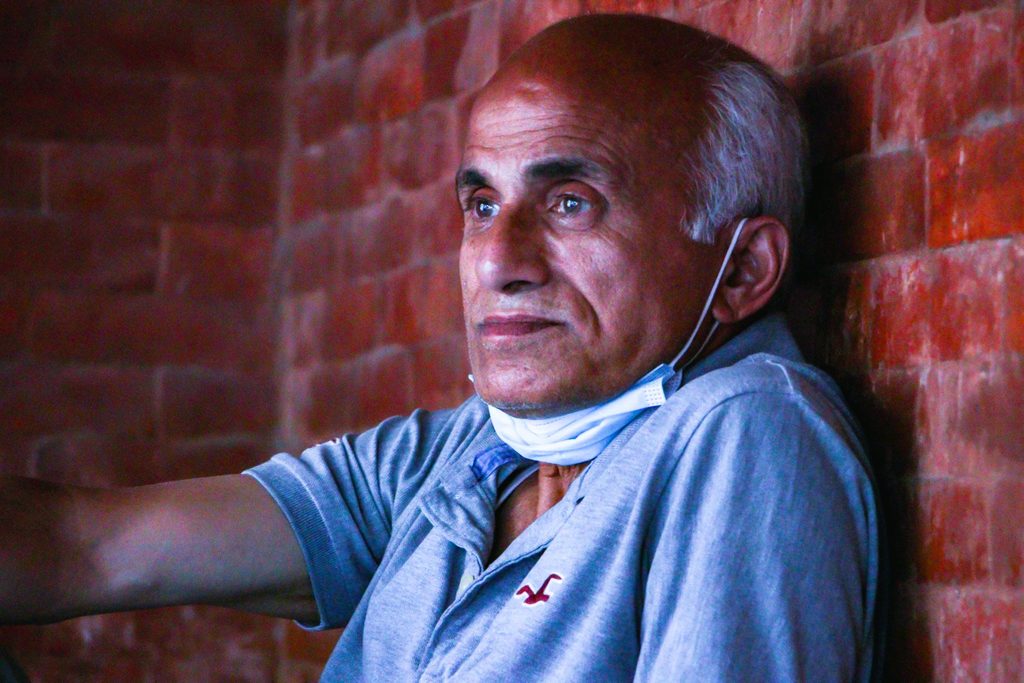
Medical education reform campaigner Dr Govinda KC has launched his 25th hunger strike in Ilam, saying the government has not met his demands.
KC began his fast unto death at Narayan Temple in Ilam at 5pm on Thursday, 29 October 2026. He says the government has failed to respond to his concerns about medical education, regulation and public health services.
His demands include tighter oversight of medical colleges, reversal of decisions that breach minimum standards, and the full operation of the teaching hospital in Geta, Kailali.
KC has warned that the government will be responsible for any harmful consequences resulting from his protest.
Why has Dr Govinda KC started another hunger strike?
KC has spent recent years campaigning for changes to medical education and improved public healthcare in Nepal. In his latest protest, he is challenging decisions by the Medical Education Commission to permit academic programmes at Shahid Dasharath Chand University of Health Sciences in Geta and to raise student quotas at several institutions.
He argues that medical courses should not begin until institutions have adequate facilities, qualified teaching staff and meet legal requirements.
Increasing student numbers at colleges that fall short of the required standards, he says, could undermine the quality of medical education and put patients’ safety at risk.
KC has also questioned whether some decisions have been made impartially. These allegations require investigation.
MBBS and nursing programmes approved in Geta
The approval of MBBS and nursing programmes at Shahid Dasharath Chand University of Health Sciences in Geta, Kailali, is among the issues behind KC’s hunger strike.
He says the programmes were approved despite the college lacking the necessary infrastructure and staff.
Public funds have been invested in the medical college and teaching hospital in Geta following years of campaigning to improve access to healthcare in western Nepal. KC says the college should have appropriate facilities and staffing and be fully operational before additional academic programmes are introduced.
He has also objected to higher student quotas at colleges that may not meet the required standards.
KC is calling for these decisions to be reviewed and overturned.
Inquiry into the Medical Education Commission
KC is seeking an independent inquiry into appointments and decisions made by the Medical Education Commission and universities.
His concerns include the appointments, professional credentials and experience of certain individuals, as well as possible conflicts of interest in decisions on student quotas.
In particular, he has questioned the commission’s decision to increase quotas, noting that its current vice chairperson previously served as principal of Nepal Army Medical College.
Regulatory agencies must act impartially, and decisions about medical education should follow established standards.
KC is calling for an independent investigation and appropriate legal action if wrong doing is established.
Six main demands
KC has outlined six key demands:
- Reverse disputed decisions KC wants approval for MBBS and nursing programmes in Geta withdrawn until minimum infrastructure, qualified academic staff and legal requirements are in place. He is also seeking the cancellation of increased student quotas at institutions that do not meet the required standards.
- Investigate the university and commission He wants an independent inquiry into the appointments, qualifications, experience and decisions of the Medical Education Commission’s vice chairperson and relevant university officials. If the findings warrant it, they should be suspended and face legal action.
- Make the teaching hospital fully operational Shahid Dasharath Chand University of Health Sciences should have suitable infrastructure and staffing and be fully operational. Courses should not start before the required standards are met.
- Protect scholarships and educational quality KC wants institutions to properly implement the 75% scholarship policy. He opposes cuts to scholarships or increases in student quotas at institutions that fail to meet the required standards.
- Carry out previously agreed measures He is calling on the government to implement the agreement reached on 11 August 2026 on health and education reforms, good governance, social justice and related matters.
- Expand government medical colleges KC wants earlier commitments to establish government medical colleges or health science institutions in Ilam, Udayapur and Dadeldhura to be fulfilled. He also wants the decision to cancel Bardibas Medical College reversed and construction to begin.
Expanding access to public healthcare
KC’s campaign is about more than medical education; it also seeks to make affordable healthcare more accessible across Nepal.
He argues that public medical services should be available to people who cannot afford treatment or live far from healthcare facilities. Many residents of rural areas, including Sudurpashchim Province, must travel to major cities or cross the border into India to receive specialist care.
Fully functioning public hospitals and government medical colleges could widen access to treatment, strengthen medical training and ease the burden on patients and their families.
KC has also called for every province to have at least one government medical college or health science institution, with further expansion based on population and location.
An earlier agreement remains unfulfilled
KC’s latest protest follows a hunger strike that ended with an agreement between him and the government on 11 August 2026.
He says nearly three months have passed without proper implementation of the agreement. He also argues that decisions on medical education have contradicted its terms.
The government now faces pressure to address his demands, particularly those concerning the Geta teaching hospital, standards at medical colleges and impartial decision-making.
What happens next?
Will the government enter into talks with KC?
His 25th hunger strike has again brought attention to medical education regulation, public investment in healthcare and accountability for academic standards.
The outcome will depend on the government’s response and whether the two sides can reach an agreement.
For now, KC has resumed his fast unto death in Ilam. He says medical education should prioritise quality teaching, public health and equal access, rather than profit.