
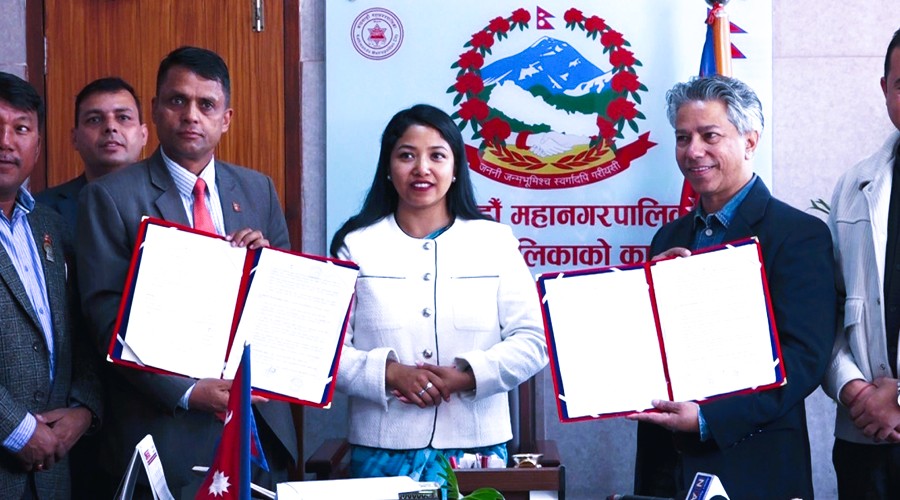
Kathmandu Metropolitan City (KMC) is set to launch a campaign aimed at identifying and recovering stolen Nepali religious and cultural artifacts from museums and other locations.
This initiative will focus on documenting lost items, raising awareness, and empowering the local community.
“We must work systematically to bring back religious statues and cultural artifacts,” said Acting Mayor Sunita Dangol during an event at KMC offices on Friday.
KMC to Enhance Recovery Efforts
Dangol noted that KMC has already collaborated with diplomats, international organizations, and overseas communities to recover stolen items.
They plan to improve these efforts by establishing a more organized process.
“It’s essential to protect our cultural assets and prevent theft and trafficking. We need to identify stolen items and their locations for recovery,” she emphasized.
Finding the origins of Nepali artifacts displayed in foreign museums can be challenging.
KMC to Maintain Detailed Records
The municipality will prioritize keeping comprehensive records of cultural artifacts.
“This includes taking photographs. We had an old photo of a statue that helped us trace the Mahagauri statue for its return. Good records are crucial for identifying lost items,” said Dangol.
They will also encourage individuals to file formal police reports for lost religious and cultural artifacts.
Success Story of the Mahagauri Statue
“The Mahagauri statue was successfully returned due to our thorough records,” Dangol explained.
However, recovering the Taleju Bhawani necklace faced challenges. Authorities required proof of a police report, which was hard to provide due to a lack of awareness about the importance of reporting lost religious artifacts.
“We should make it a routine to report lost cultural items to the police,” she stated.
Campaign to Involve KMC Officials
The campaign will initially involve KMC elected officials and staff before expanding to municipal police, ground staff, guthis, organizations, neighborhood improvement committees, and local communities.
Training ground staff in basic technical skills is also crucial.
“Without proper training, cultural sites and artifacts are still at risk,” she warned.
Through record keeping, awareness initiatives, staff training, and collaboration with international organizations, Kathmandu Metropolitan City aims to establish a more systematic approach to recovering and safeguarding Nepal’s cultural treasures.