
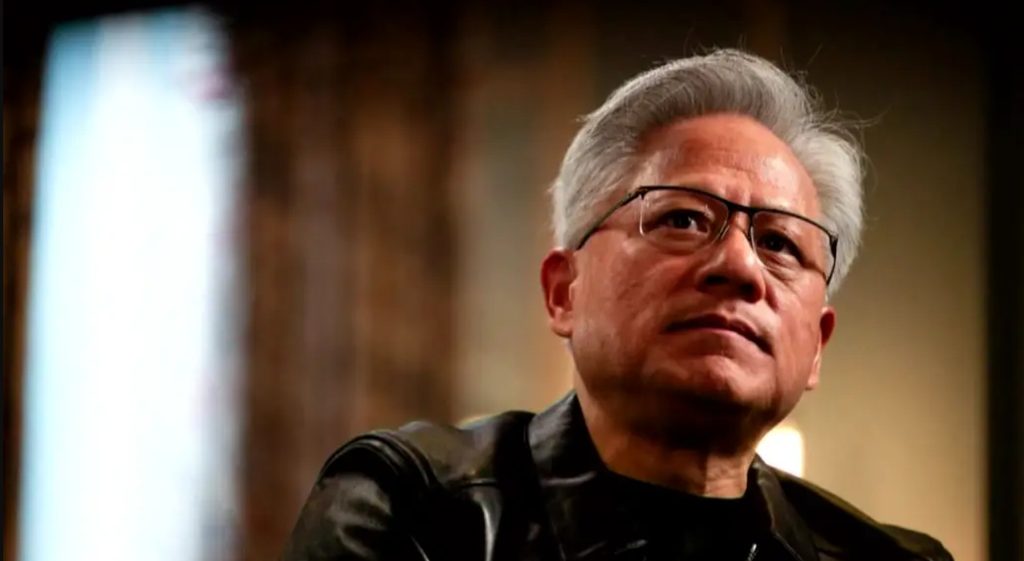
Jensen Huang has returned as Nvidia’s chief executive less than two weeks after stepping down amid controversy over his personal life and reports concerning a woman whom US authorities believe may have links to Chinese intelligence.
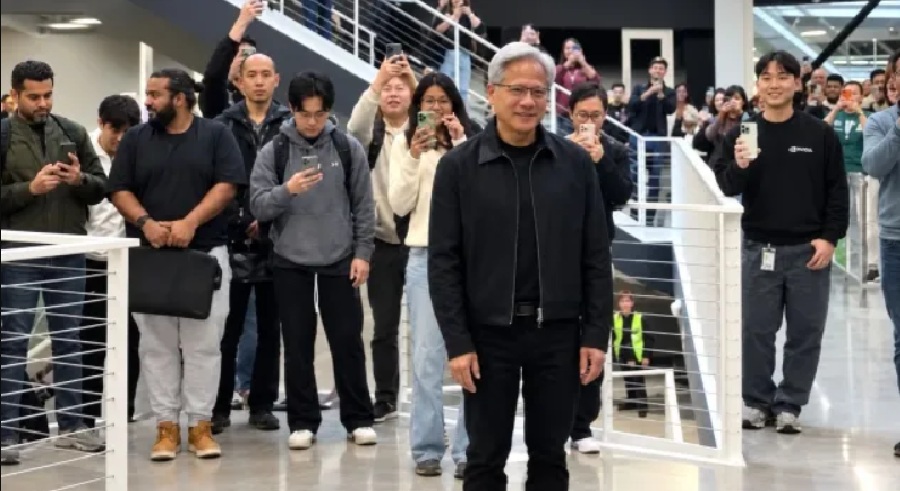
Staff welcomed Huang with loud cheers on Monday as he returned to Nvidia’s headquarters in Santa Clara, California.
“I’d be a better CEO the second time around,” the 63 year old Huang told employees. He wore his signature black leather jacket.
Nvidia’s board reappointed Huang as president, chief executive and board member, reversing its earlier decision to accept his resignation.
Pressure Builds for Huang’s Return
Huang stepped down on November 12 after reports surfaced about his relationships, including an alleged affair with a Chinese businesswoman whom US authorities believe may have ties to Chinese intelligence.
His resignation prompted widespread calls for his return. Employees, investors and technology leaders voiced their support, and US President Donald Trump also backed Huang.
In a statement, Nvidia said the board had decided to reappoint Huang after consulting with him. It cited his openness and leadership skills.
The company added that the board had consulted senior US government officials and found no national security concerns with Huang’s return.
Trump and Tech Leaders Welcome Huang’s Reappointment
Trump played a prominent role in urging Nvidia’s board to reinstate Huang and praised his technology expertise.
Other prominent technology leaders, including Elon Musk, also welcomed the decision.
Nvidia shares rose 31.5% after the announcement, as part of a broader rally in the US stock market. The increase suggests investors remain confident in Huang’s leadership and his role in the company’s strategy.
Huang’s Influence Extends Beyond Nvidia
Huang has helped shape Nvidia for more than three decades, transforming it from a graphics chip maker into a leading supplier of computer chips for artificial intelligence.
His influence also extends beyond the company. He has built relationships with technology firms, investors, suppliers and government officials around the world.
Huang is known for his hands on management style. He oversees about 60 team members and takes a direct role in major business and technology decisions.
Nvidia has invested billions of dollars in AI companies, some of which are also Nvidia customers. Huang has argued that these investments help support genuine demand for the company’s technology.
However, critics and some investors have raised concerns about “circular funding,” in which Nvidia invests in companies that later use the money to buy its products.
Questions About Corporate Governance and Leadership
While many employees and industry professionals have welcomed Huang’s return, the board’s decision has also drawn criticism in the US.
The board’s rapid reversal has renewed concerns about corporate governance and how much a technology company should depend on one leader.
Some governance experts warn that treating a CEO as “irreplaceable” can weaken a board’s ability to oversee the company effectively.
Huang owns about 3.6% of Nvidia, making him one of its largest shareholders. However, he does not have special voting rights that would give him direct control of the company.
His return puts him back at the centre of the rapidly growing AI sector. Nvidia must now contend with intense competition, regulation and rising doubts about the long term sustainability of the current AI investment boom.