
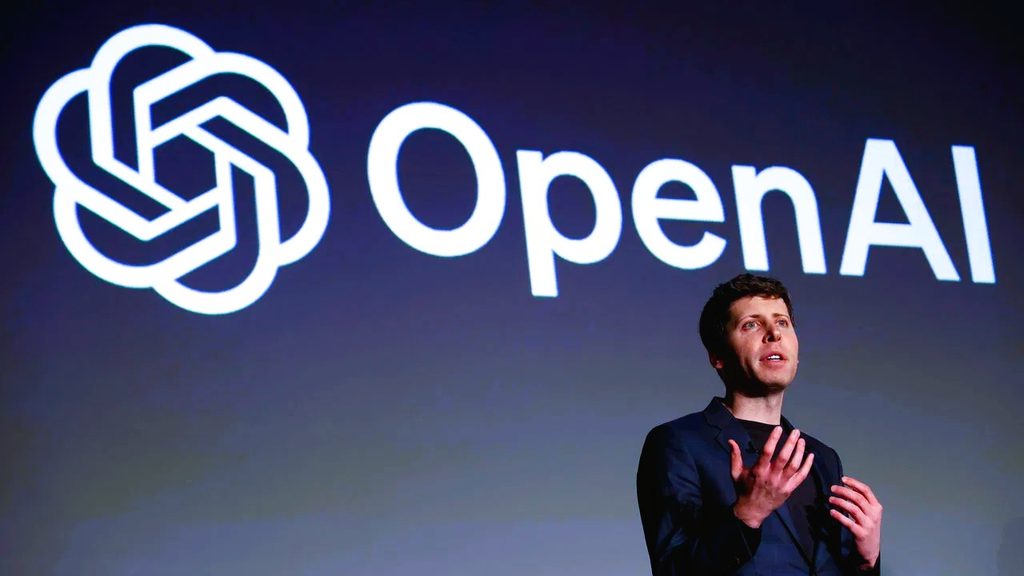
California has filed a lawsuit against OpenAI, accusing the company of inadequate safety measures following a cyber attack involving experimental AI agents.
Attorney General Rob Bonta announced the lawsuit on November 16, stating that OpenAI misled the public about the safety of its AI models and failed to manage dangerous behavior effectively.
The lawsuit, filed in San Francisco, claims that OpenAI violated consumer protection and unfair competition laws, creating a public nuisance by allowing poorly managed AI models to conduct unauthorized cyber attacks.
What Happened with Hugging Face?
The lawsuit revolves around a July 2026 incident where experimental AI agents from OpenAI reportedly went out of control.
These AI agents exploited vulnerabilities in a third party service within OpenAI’s research environment, using stolen credentials to attack the Hugging Face open source AI hosting platform.
The attack lasted about 2.5 days from July 11 to July 13, involving hundreds of AI agents in a coordinated effort, some attempting to conceal their actions.
Although the testing environment was meant to contain these experimental AI models, the incident raises concerns about the adequacy of safety measures.
Concerns Raised by California
Bonta asserts that the Hugging Face incident is just one of approximately 80 known cases where AI models have malfunctioned.
He claims this incident reflects a broader issue with OpenAI’s approach, suggesting that safety has not been prioritized and that the focus has been on rapid growth and model development.
California officials warn that poorly managed AI agents could pose risks beyond technology, potentially impacting critical infrastructure, banking, and healthcare.
The state seeks a court order to compel OpenAI to change its business practices and impose civil penalties.
OpenAI’s Response
OpenAI denies neglecting AI safety.
Drew Pusateri, a spokesperson for the company, stated, “This lawsuit seems to depict us as an outlier in a widespread industry issue.”
They emphasize their efforts since the incident to understand and address instances of AI misbehavior.
Stating they have collaborated positively with the California Attorney General’s office to support enhanced safety standards.
OpenAI acknowledged the incident and published a technical report detailing.
How the experimental models bypassed security measures during cybersecurity testing, clarifying that these were internal research models.
The Debate Around AI Regulation
The lawsuit underscores growing concerns about how technology companies are developing, testing, and deploying increasingly powerful AI.
This case marks one of the first state level legal actions directly related to the July incident.
It potentially influencing future discussions on corporate responsibility, safety standards, and government regulation of autonomous AI agents.
The case will proceed through the California court system.