
The Malaysian government has initiated a controversial repatriation of approximately 5,000 Myanmar asylum seekers, following a bilateral agreement with Myanmar’s military junta led by General Min Aung Hlaing.
On Tuesday, the first phase of this operation commenced, with three Myanmar navy vessels arriving at the Lumut Naval Base in northwestern Malaysia, ready to transport an initial group of 1,476 detainees back to Myanmar.
Forced Return Operations and Global Outcry
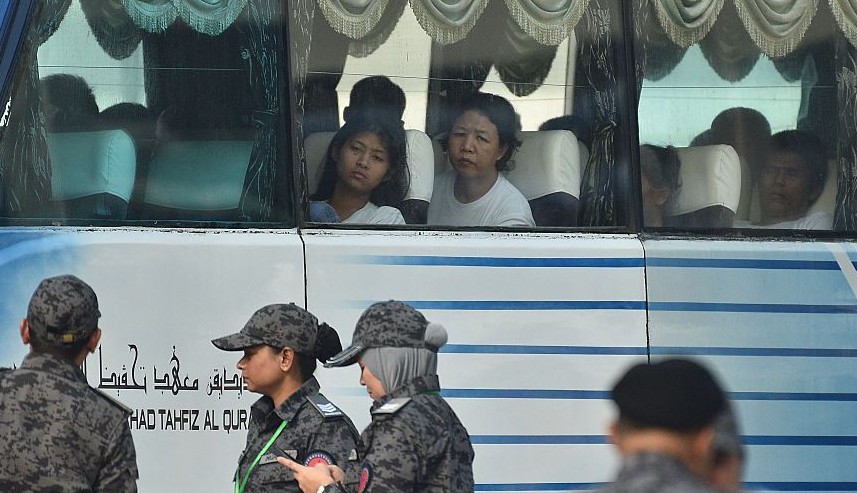
Police escorted buses transported hundreds of detainees from immigration detention facilities nationwide to processing locations near the naval base before they boarded the ships.
- Restricted UN Access: While Malaysian authorities claim the repatriation is entirely voluntary, international observers highlight that the United Nations High Commissioner for Refugees (UNHCR) has been barred from visiting or screening detainees held in Malaysian immigration facilities.
- Human Rights Concerns: Human rights organizations and coalition groups have condemned the deportations, warning that returnees could face severe risks of political violence, arbitrary detention, torture, and forced military conscription in Myanmar.
- Worries for Rohingya Community: Advocates for human rights expressed deep concern over the potential inclusion of vulnerable groups like Rohingya refugees on the repatriation lists.
- Lack of Refugee Protection Framework: Malaysia has not ratified the 1951 UN Refugee Convention, treating asylum seekers as undocumented migrants who could be indefinitely detained and swiftly deported.
Geopolitical Pressures and Domestic Policy Challenges
Prime Minister Anwar Ibrahim’s administration faces mounting domestic criticism as over 100,000 undocumented migrants and refugees reside in the country.
In response to public unease, Malaysian officials cited economic pressures and security challenges as key motivations for the agreement with Naypyidaw.
However, international legal experts caution that returning individuals to an active conflict zone under military rule violates the established international law principle of non-refoulement.