
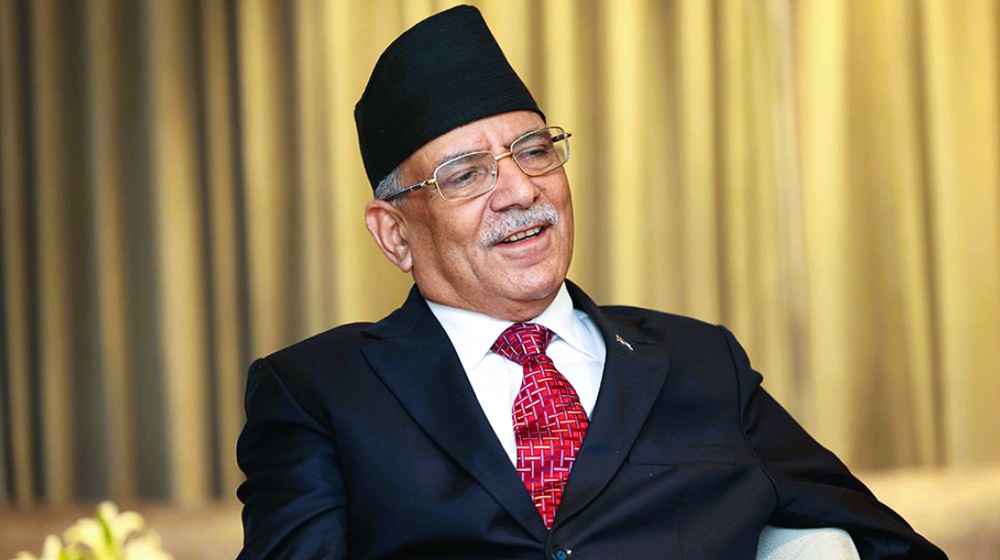
CPN coordinator Pushpa Kamal Dahal Prachanda has criticized the Nepal government, comparing its actions to a Hindi spy film.
“Every day, the government’s activities become more unpredictable, resembling a spy movie,” Prachanda said at a program in Kathmandu on Saturday.
“I’m concerned because it’s unclear who will be targeted next,” he added, reflecting growing political discussion about the government.
Prachanda Questions Government’s Unpredictability
“Spy movies often show events that seem unbelievable in real life,” he noted, suggesting that the government’s actions are increasingly cinematic.
“The issue is we don’t know who will be arrested next. It’s very unpredictable,” he explained.
“Journalists, bureaucrats, and political leaders are all confused,” indicating that the government is fostering uncertainty among various groups in society.
Former PM Defends Traditional Political Parties
Prachanda also expressed frustration over how traditional political parties are viewed negatively by the current political elite and younger generations.
“We feel overlooked as traditional parties and leaders are not given proper credit,” he stated.
“There are claims that those who helped establish the republic, build infrastructure, and enhance the energy sector have done nothing and are to blame for all issues.”
“We must acknowledge the contributions of traditional political parties.”
Prachanda Highlights Contributions to Nepal
Prachanda defended the role of traditional political forces in Nepal.
He identified three key areas of their contribution:
- Building a Republic – The fight to abolish the monarchy and establish a federal democratic republic.
- Building Infrastructure – Developing infrastructure throughout the nation.
- Improving the Energy Sector – Advancing the energy sector in the country.
“We should recognize the achievements of past political movements and not generalize,” he emphasized.
Increasing Political Debate
His remarks underscore the rising political debate about governance in the country and the relationship between traditional and new political forces.
Prachanda’s comparison of government actions to a Hindi spy movie has sparked significant political discourse surrounding transparency and accountability.
His comments also reflect the ongoing discussion about assessing Nepal’s political history and acknowledging the contributions of traditional parties.
As political leaders continue to evaluate the government’s performance, issues of governance, stability, and democratic accountability are likely to remain key topics in Nepal.