
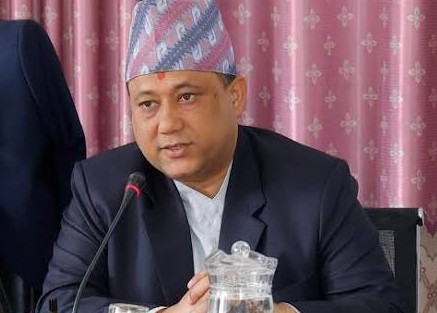
Foreign Minister Shisir Khanal has called for strong international oversight of artificial intelligence, warning that unchecked algorithmic bias and automated platforms could worsen systemic racism, xenophobia, and hate speech globally.
At a United Nations meeting on anti-discrimination, Khanal highlighted that while technology offers global benefits, unregulated AI can reinforce historical inequalities unless ethics and human rights are integrated into digital governance.
Algorithmic Bias Risks and Safeguard Focus
Addressing international delegates, Minister Khanal explained that AI technologies can amplify prejudice if trained on flawed or biased data:
- Risk of Increased Discrimination: Unregulated automated decision-making tools can perpetuate racial profiling and marginalization.
- Need for AI Governance: Khanal urged the global community to create binding regulations to ensure AI systems are transparent, accountable, and aligned with international human rights.
- Commitment to the Durban Framework: The foreign minister reaffirmed Nepal’s dedication to fully implementing the Durban Declaration and Programme of Action (DDPA) to combat global intolerance.
- Four-Point Strategy: Nepal proposed a roadmap focusing on stronger anti-discrimination laws, inclusive policymaking, international AI regulation, and multilateral cooperation.
Nepal’s Constitutional Protections and Global Commitment
Khanal emphasized that Nepal’s Constitution provides robust protections for equality, social inclusion, and non-discrimination for all citizens, regardless of their background.
He urged global tech hubs, international organizations, and developing nations to work together to bridge the digital divide, ensuring new technology promotes equity instead of exclusion.
Algorithmic Bias Threats and Safeguard Priorities
Addressing international delegates, Foreign Minister Khanal explained how artificial intelligence technologies can serve as force multipliers for prejudice when trained on flawed or discriminatory datasets:
Risk of Amplified Discrimination: Automated decision-making tools and predictive algorithms can sustain racial profiling and digital marginalization if they remain unregulated.
Call for AI Governance: Khanal urged the global community to enforce binding regulatory frameworks so that AI systems are transparent, accountable, and consistent with international human rights standards.
Durban Framework Realization: The foreign minister reaffirmed Nepal’s commitment to fully implementing the Durban Declaration and Programme of Action (DDPA) to eradicate global intolerance.
Four-Point Strategy: Nepal presented a clear roadmap centered on stronger anti-discrimination legislation, inclusive policymaking, international AI oversight, and multilateral cooperation.
Nepal’s Constitutional Guarantees and Multilateral Commitment
Highlighting Nepal’s domestic legal foundations, Khanal noted that the Constitution of Nepal offers strong safeguards guaranteeing equality, social inclusion, and non-discrimination for all citizens regardless of origin, ethnicity, or community background.
He called on global technological hubs, international organizations, and developing nations to close the digital divide together, ensuring emerging technology serves as a tool for equity rather than institutional exclusion.