
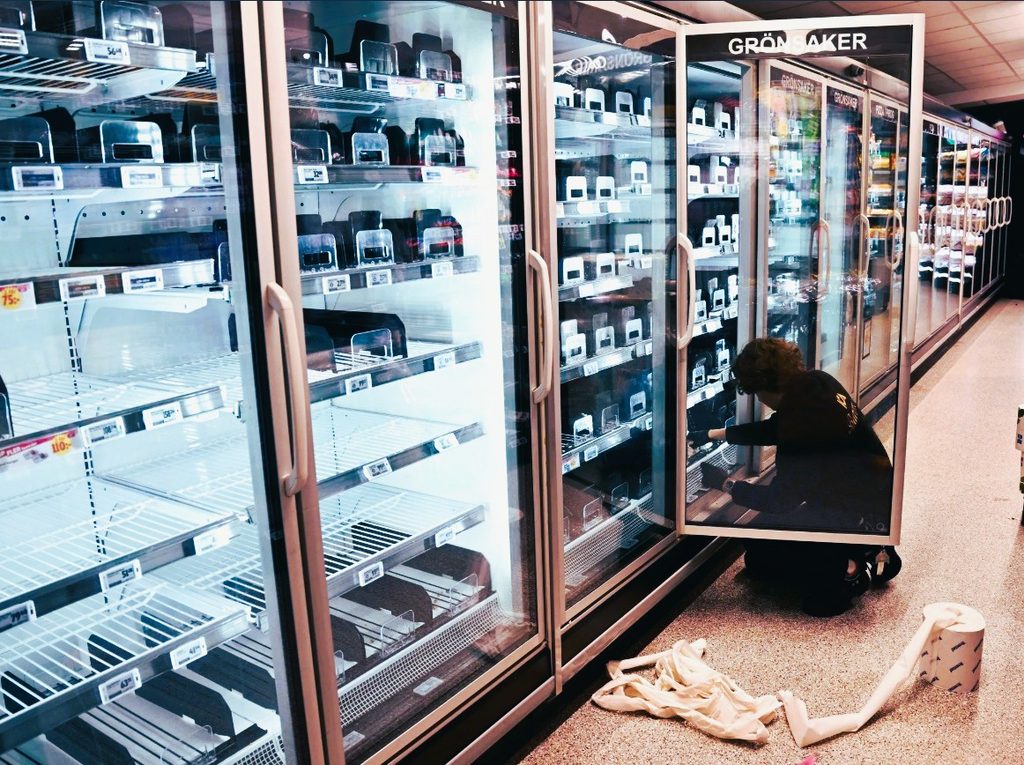
Supermarkets have faced numerous cyber attacks that disrupted their refrigeration systems.
Grocery stores in Belgium, Luxembourg, Sweden, Finland, Ireland, Estonia, and the Netherlands were impacted. Hackers reportedly altered refrigeration settings, causing temperatures to rise to as high as 50 degrees Celsius.
Several major supermarket chains, including Delhaize, Carrefour, Coop, ICA, and SuperValu, were affected, along with other retailers experiencing cooling system issues.
Belgium and Luxembourg saw some of the most severe incidents, with around 40 Delhaize supermarkets reporting refrigeration problems. Carrefour confirmed that 15 of its stores in Belgium were impacted.
Five Spar franchise stores operated by Colruyt Group were also affected, as well as an IKEA store in Mons, Belgium.
In Sweden, both Coop and ICA reported issues, with Coop experiencing problems in six stores, while ICA noted a few stores were affected.
In Ireland, 13 SuperValu stores faced refrigeration issues, leading the retailer to remove chilled and frozen items from sale.
In Estonia, one store from the Selver chain was impacted.
Retailers in Finland and the Netherlands also faced disruptions.
Freezer Temperatures Reached 50 Degrees Celsius
Hackers allegedly accessed refrigeration management systems remotely and altered the settings, resulting in some units entering defrost mode.
This caused temperatures to rise to 50 degrees Celsius, leading many affected supermarkets to dispose of stock.
One Delhaize supermarket in Hoeilaart, Belgium, reported a loss of around 100,000 euros in stock, not including lost revenue from store closures.
However, some retailers noted that their distribution centers and deliveries remained unaffected.
Previous Attack Targeted French Supermarkets
This incident follows a similar attack in France in October, where hundreds of supermarkets and independent grocery stores were targeted.
Hackers accessed refrigeration systems via the internet, tampering with cooling units and leading to significant food loss.
This situation has raised concerns about vulnerabilities in commercial refrigeration systems.
Who Is Responsible?
It remains unclear who is behind these attacks, as no groups have claimed responsibility.
Cybersecurity experts have expressed concerns that internet connected industrial systems may be vulnerable if they are outdated or poorly secured.
This raises questions about whether these attacks are isolated incidents of cybercrime.
Concerns Growing Over Food Supply Chain Security
Supermarket refrigeration systems are essential for preserving fresh foods, dairy, meats, and frozen items. Such incidents can lead to substantial financial losses and operational challenges for retailers.
These attacks highlight threats that extend beyond traditional computers and internet systems.
Retailers and cybersecurity experts face increasing pressure to enhance network security and update any vulnerable systems.