
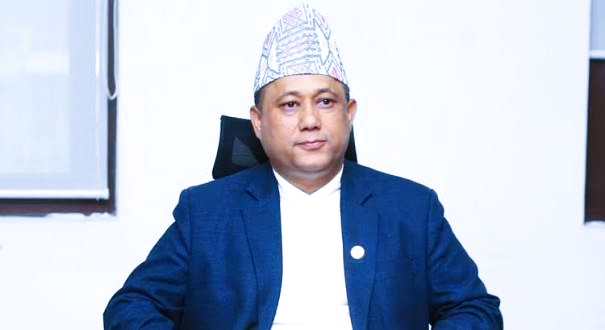
Nepal aims to draw international attention to the protection of the Himalayas from climate change, focusing on loss and damage, climate finance, and climate justice at COP31, according to Foreign Minister Shishir Khanal.
During the National Climate Summit 2026 in Kathmandu, Khanal emphasized that climate change affecting the Himalayan ecosystem is a global issue that impacts water, food, energy, and economic security.
Nepal intends to highlight the vulnerabilities faced by mountain communities during the COP process.
COP31 will take place in Antalya, Türkiye, from November 9 to 20, 2026.
Four Key Areas
Khanal identified four main areas of focus for Nepal at COP31:
- Protecting the Himalayas
- Addressing loss and damage
- Improving climate finance
- Ensuring climate justice
The government seeks more attention on the unique challenges faced by mountain nations.
Protecting the Himalayas is crucial for the country and deserves international support to safeguard vital ecosystems.
Nepal aims to take concrete steps towards addressing climate issues.
Main Focus: Global Attention on Himalayan Vulnerability
Nepal’s primary goal is to raise global awareness about the vulnerabilities of the Himalayas.
Global warming is accelerating glacier melt, increasing risks for Himalayan ecosystems and affecting rivers, agriculture, hydropower, and local communities.
Khanal stressed the importance of the Paris Agreement to limit warming to below 1.5 degrees Celsius. Any short term exceedance could lead to rapid glacier decline, damaging vulnerable ecosystems.
Nepal plans to build on previous efforts, including the 2024 International Expert Dialogue on Mountains, People, and Climate Change and the 2025 Sagarmatha Dialogue.
At COP31, Nepal will advocate for ongoing high level discussions on Himalayan issues, a Himalayan action plan, and greater focus on mountain vulnerabilities.
This initiative will continue into the next Sagarmatha Dialogue in 2027.
Rising Climate Disasters
Nepal has highlighted recent flooding and landslides to emphasize the need for better international support for vulnerable nations.
Khanal recounted severe flooding in the Bhotekoshi corridor on August 26, followed by significant floods and landslides over six weeks, leading to substantial loss of life, property, and economic impact.
Initial estimates suggest that rebuilding will require about US$4.7 billion, approximately 10 percent of Nepal’s GDP.
Nepal will seek increased global attention to these losses and enhanced support at COP31.
Focus on Loss and Damage Support
Nepal’s second priority is to gain more attention for loss and damage.
The country seeks international support not just for economic losses but also for community displacement and damage to cultural heritage.
While there is initial agreement on funding from the international Loss and Damage Fund, the reported US$21.6 billion needs confirmation.
The government wants climate finance that is sufficient, accessible, and timely, as delayed funding can hinder countries facing sudden climate disasters.
Nepal will advocate for quicker funding disbursement.
Improving Climate Finance for Adaptation
Nepal’s third priority is to secure climate finance that is easily accessible and aligns with national needs.
According to the Foreign Minister, Nepal’s third Nationally Determined Contribution (NDC 3.0) estimates a need for US$18 billion to US$20 billion for climate adaptation from 2025 to 2035.
Mobilizing this amount will be challenging amid various development issues and rising climate risks.
Nepal aims for more predictable international funding and easier access to adaptation funds.
The government also needs financing to meet its climate commitments, enhance disaster preparedness, and support communities facing rising temperatures.
Improved climate finance is vital for translating international commitments into actionable programs.
Pursuing Climate Justice
Nepal’s fourth priority is climate justice.
Although Nepal contributes minimally to greenhouse gas emissions, it suffers significantly from climate change effects like glacier melt, floods, and landslides.
Khanal emphasized the importance of international cooperation.
Meaningful involvement from women, children, Indigenous peoples, disabled individuals, and marginalized groups is crucial, as they experience climate impacts differently based on their livelihoods and resources.
Nepal seeks global recognition of these inequalities and funding that supports affected communities.
Enhancing Climate Diplomacy
Khanal noted that climate change is now a key component of Nepal’s foreign policy.
The country will pursue its priorities through bilateral, regional, and multilateral diplomacy, aiming to foster international partnerships and technological cooperation while conveying its concerns to global leaders.
Nepal will also highlight the connection between the Himalayas and global climate issues.
Melting glaciers affect river flows, agriculture, and water availability, impacting coastal areas downstream. Khanal underscored the significance of the “Sagarmatha to the Sea” concept.
By emphasizing these connections, Nepal hopes to demonstrate the global relevance of protecting the Himalayas.
Opportunity at COP31
Nepal plans to leverage COP31 to seek greater international commitment for Himalayan protection, adaptation, and disaster recovery.
Their priorities reflect the challenges vulnerable countries face in securing international funding.
Success will depend on the commitments made and whether they lead to timely funding, effective adaptation strategies, and enhanced protection for at risk communities.
Ultimately, Nepal’s goal is to increase global awareness of Himalayan vulnerabilities and support those affected by climate change.