
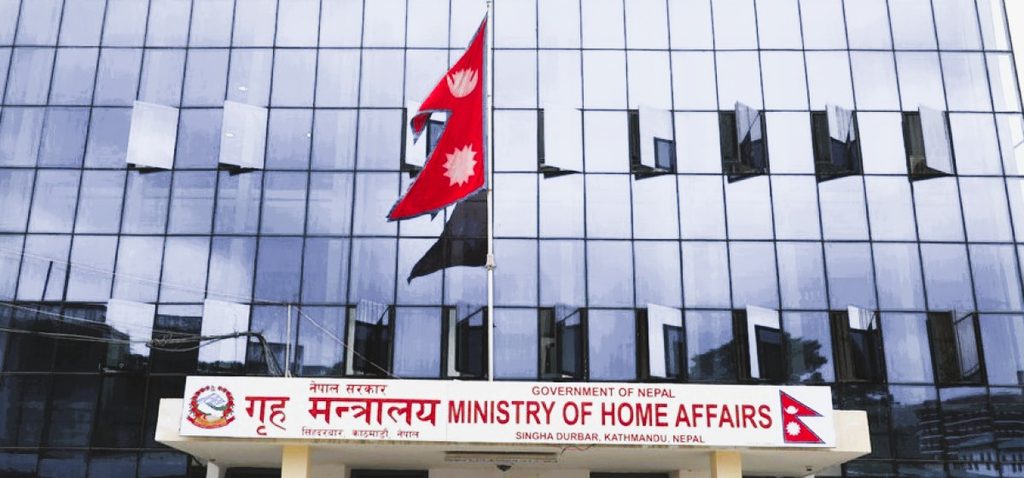
The Ministry of Home Affairs has directed authorities to allow Deusi Bhailo programs to continue without time limits during Tihar.
Deusi Bhailo is a cherished cultural tradition where people visit homes and communities to sing and dance.
This directive from the Ministry addresses concerns about time restrictions.
Home Ministry’s Directive on Deusi Bhailo Timing
The Home Ministry’s directive encourages people to enjoy Deusi Bhailo at any time of day or night.
This is particularly relevant as many families, youth groups, and cultural organizations are hosting Deusi Bhailo events across the country during Tihar.
It is a vital aspect of Nepali culture that fosters community bonding.
Local Restrictions Raised Concerns
Before this directive, some local administrations imposed time limits on Deusi Bhailo activities.
For instance, the District Administration Office in Kaski had requested that events conclude by 10 PM, and similar restrictions were noted in other districts.
These measures aimed to maintain public peace.
However, the new directive emphasizes the importance of preserving cultural traditions.
Prioritizing Safety and Order
While permitting Deusi Bhailo to take place day and night, organizers and participants must celebrate responsibly.
They should respect people’s privacy, avoid disturbing hospitals and sensitive areas, and seek permission before entering private homes and businesses.
Using firecrackers, loudspeakers, or causing public disturbances can pose safety risks.
Organizers are encouraged to collaborate with local authorities and the Nepal Police to ensure a peaceful environment.
Deusi Bhailo: A Cultural Cornerstone
Deusi Bhailo is a significant part of Nepali culture, involving visits to local communities for singing and dancing.
Many communities view this tradition as a way to preserve songs, strengthen social ties, and connect different generations.
The Ministry’s directive highlights the importance of celebrating cultural heritage while ensuring safety, respect, and harmony for all.