
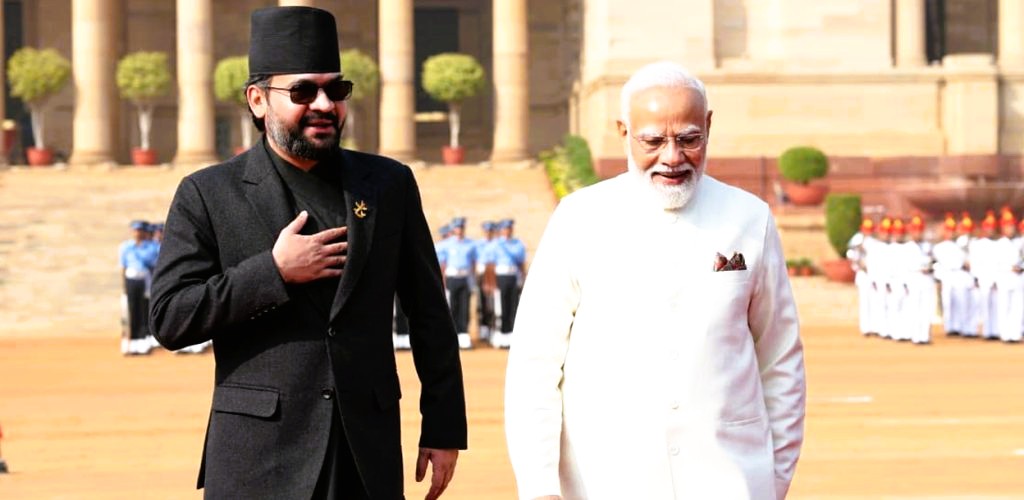
India has pledged Rs 24,000 crore in development support for Nepal. The two countries also agreed to strengthen cooperation in Ayurvedic medicine during Nepalese Prime Minister Balendra Shah’s visit to New Delhi.
Key Announcements
The announcements followed meetings between Prime Minister Shah and Indian Prime Minister Narendra Modi.
Improving People’s Quality of Life
At a joint press conference, Shah said cooperation between India and Nepal should improve people’s lives by supporting agriculture and creating jobs.
“This cooperation should increase prosperity for farmers in Nepal and create new job opportunities for young people.”
Development Package for Nepal
Modi pledged a development cooperation package worth Rs 24,000 crore to support flood recovery and promote development in Nepal.
The pledge follows severe flooding in August that caused extensive infrastructure damage. Modi expressed condolences to those who lost their lives and said India wanted to support Nepal’s recovery and strengthen its future development.
The package is intended to support both recovery and broader development. However, details have not yet been released. The funding amount, delivery methods and project timeline remain unclear.
The pledge marks a significant expansion of cooperation between Nepal and India. Nepal needs resources to repair damaged infrastructure and continue developing its economy.
Cooperation in Ayurvedic Medicine
Nepal and India also agreed to strengthen cooperation in Ayurvedic medicine, building on the region’s long standing connection to the traditional healthcare system.
Closer collaboration could support knowledge exchange, institutional partnerships, research and skills development. Both countries have used Ayurveda and other traditional healthcare practices for many years. Greater cooperation could help preserve traditional medical knowledge and strengthen links between institutions.
Details on how the agreement will be carried out in each country have not yet been announced.
Cooperation That Benefits People
Prime Minister Shah stressed that cooperation with India should deliver positive outcomes for people in Nepal.
He said agreements between the two countries should boost agricultural production, increase farmers’ incomes and create jobs for young people.
Economic Opportunities
Agriculture is an important part of Nepal’s economy. However, unemployment and youth migration in search of work remain significant challenges. Joint investment, technology development, skills training and agricultural projects could expand economic opportunities and help address these issues.
The focus on farmers’ livelihoods and youth employment shows that the bilateral agreement aims to deliver practical economic benefits.
Broader India-Nepal Cooperation
The announcements form part of wider cooperation between Nepal and India in areas such as trade, investment, energy, infrastructure, healthcare, education, agriculture and connectivity.
The two countries have also outlined a broader vision for future cooperation, covering economic ties, physical and digital connectivity, energy, water, education, health, technology, sports and tourism.
The development package is especially important for Nepal’s post-flood recovery and long-term infrastructure needs. Cooperation in traditional medicine also expands the range of joint initiatives.
The next step will be turning these announcements and agreements into practical benefits for people in both countries.
Prime Minister Shah’s visit has placed economic development, job creation, flood recovery and stronger bilateral cooperation at the centre of Nepal’s relationship with India.