
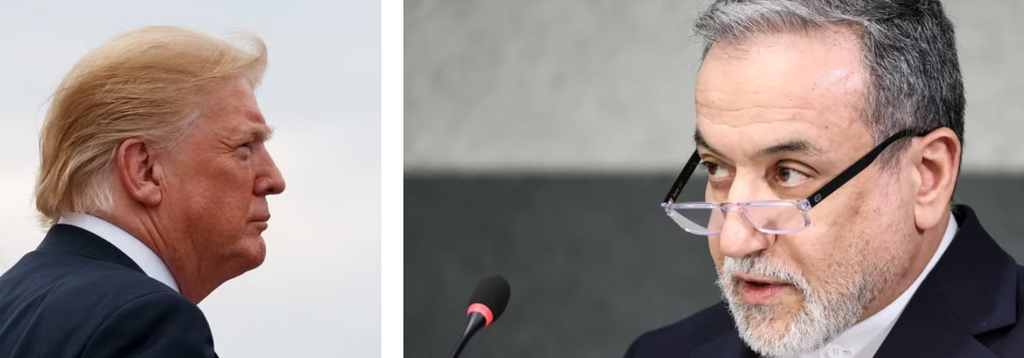
After Iran proposed such a deal, which would reopen the strategically important Strait of Hormuz and put an end to fighting across the Middle East, it received an official reply from the United States. On Thursday, according to a Wall Street Journal (WSJ) report. WSJ also reported that US President Donald Trump has turned down Iran’s proposal.
At the UN General Assembly held in New York city this week, Iran explained its diplomatic offer to open up the strategic waterway by saying the proposal had been passed on to Washington through Qatari mediators. In the country with some 80 million inhabitants, they argued that if everything goes smoothly, then the Strait of Hormuz will be reopened and there will be a pause in the hostilities in their region in just seven days.
But Iranian foreign minister Abbas Araqchi reiterated today that Iran is ready to make further moves as long as “Washington shows seriousness towards arriving at an agreement”.
“If there is seriousness on the US part for reaching an agreement and re-opening the Strait of Hormuz, all things are ready”, he told Reuters.
Iran Sets Conditions for Wider Talks
Iran’s proposed ceasefire includes halting of hostilities from “multiple fronts” while the US would be expected to remove its blockade on Iranian ports, unfreeze Iranian funds and waive oil sanctions, he added. But Iran has hinted at discussions about its nuclear programme taking place during subsequent negotiations although Tehran insists it will not concede on its rights to enrich uranium.
Meanwhile, the strategic importance of the Strait of Hormuz cannot be overstated. As one of the world’s key waterways through which global energy supplies travel, even brief disruptions could impact significantly on global markets.
Trump Reportedly Rejects Proposal
“Trump rejected their proposal… and remains skeptical that Tehran will comply with U.S. demands,” according to The Wall Street Journal (WSJ), which cited unnamed US officials on Friday’s developments.
Moreover, Trump reportedly indicated to his aides that there were possibilities for resumed US bombing after the November elections – although Reuters stated it was unable to immediately independently verify such claims by the WSJ.
Indirect talks between the two sides via mediators have been characterized as positive and constructive by a US official, even though the countries differ over the terms of any potential deal.
Regional Diplomacy Continues
In addition to the above-mentioned points, Iran has been negotiating with the Saudi about certain terms related to the Strait of Hormuz, which plays an important role in ensuring regional security and the supply of global energy.
At this stage, there are still many unresolved issues that need to be negotiated between these countries. Fighting is going on along multiple fronts in the Middle East, and local governments are assessing their own security and economic situation amid all the unrest around them.
Tehran’s goal remains to wait for a formal American opinion on its initiative before proceeding further. It will probably take some time for the ceasefire deal and the opening of the Strait of Hormuz to materialize.