
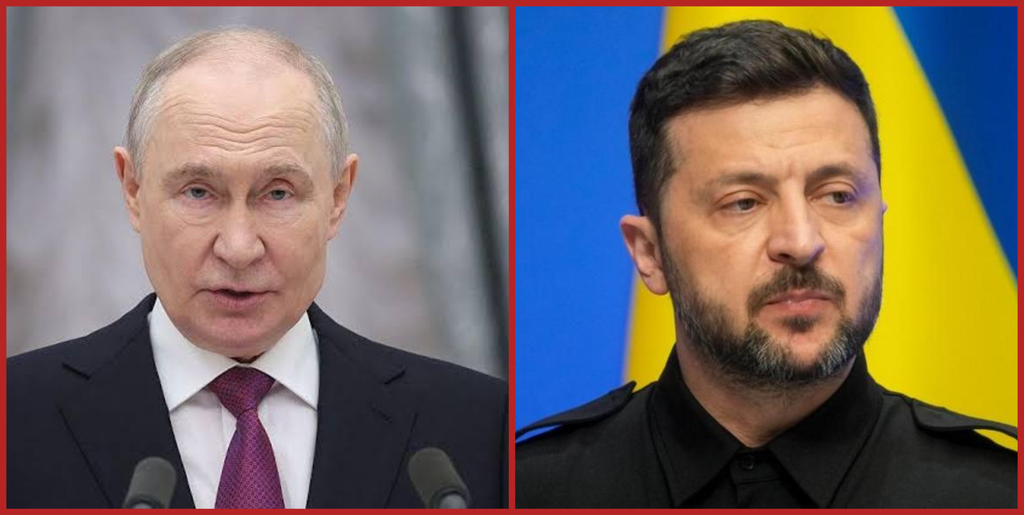
Ukraine, Russia, and the United States have resumed peace talks in Abu Dhabi, with U.S. officials noting that both Moscow and Kyiv are showing signs of strength behind the scenes.
These two day talks on November 10 and 11 are the first negotiations among the three since February. The discussions will focus on territorial disputes and security issues in Ukraine.
However, significant differences remain, with the Donetsk region posing the biggest challenge to any agreement.
One major negotiation point is the future of eastern Donetsk. Moscow wants Ukraine to relinquish areas still under its control, while Kyiv aims to maintain its current positions and establish a buffer by freezing the front line.
“Both sides have shown slight flexibility,” a U.S. official told the BBC. “However, territorial issues cannot be addressed without discussing post-war security guarantees.”
Security guarantees will be crucial. Ukraine seeks assurances from international partners to protect against future Russian attacks.
Russia has longstanding demands regarding NATO, and any proposals to involve NATO in regional changes could raise concerns among European nations.
The security guarantees will include establishing communication channels during crises and countermeasures to reduce tensions.
There have also been talks about reinstating the NATO-Russia Council, which has been inactive since 2022.
Washington aims to expand the discussions to include European countries that feel excluded.
Jared Kushner and Steve Witkoff, the U.S. special envoy, are participating in the talks. Kushner has emphasized that they will address both Russia and Ukraine’s security concerns after the war.
European Commission President Ursula von der Leyen has urged NATO allies and EU members to engage in meaningful discussions regarding Europe’s future security.
Ukrainian President Volodymyr Zelensky has highlighted the necessity of European involvement in discussions about Ukraine’s future.
“We certainly advocate for a broader, multilateral conversation, but getting Russia to agree to include Europeans will be challenging,” a U.S. official said.
Ukraine remains cautious about the peace talks.
Despite renewed efforts, there are concerns in Kyiv that negotiations might not yield a fair and lasting agreement.
Some Ukrainian politicians worry that a U.S.-led deal could pressure them into conceding territory for a quick resolution.
Ukrainian officials insist that any agreement must protect Ukraine’s sovereignty and provide genuine security guarantees.
Russia continues its military activities against Ukrainian positions.
No quick breakthrough is expected.
During the last trilateral talks in Geneva in February, there was no significant progress, and subsequent discussions were delayed as Washington shifted its focus.
This latest meeting in Abu Dhabi is viewed as another attempt to revive the talks.
While there are signs of flexibility from both sides, major differences remain regarding territory, security guarantees, and NATO involvement.
This could either be a step toward broader discussions or leave the parties divided over the conditions necessary to end the war.