
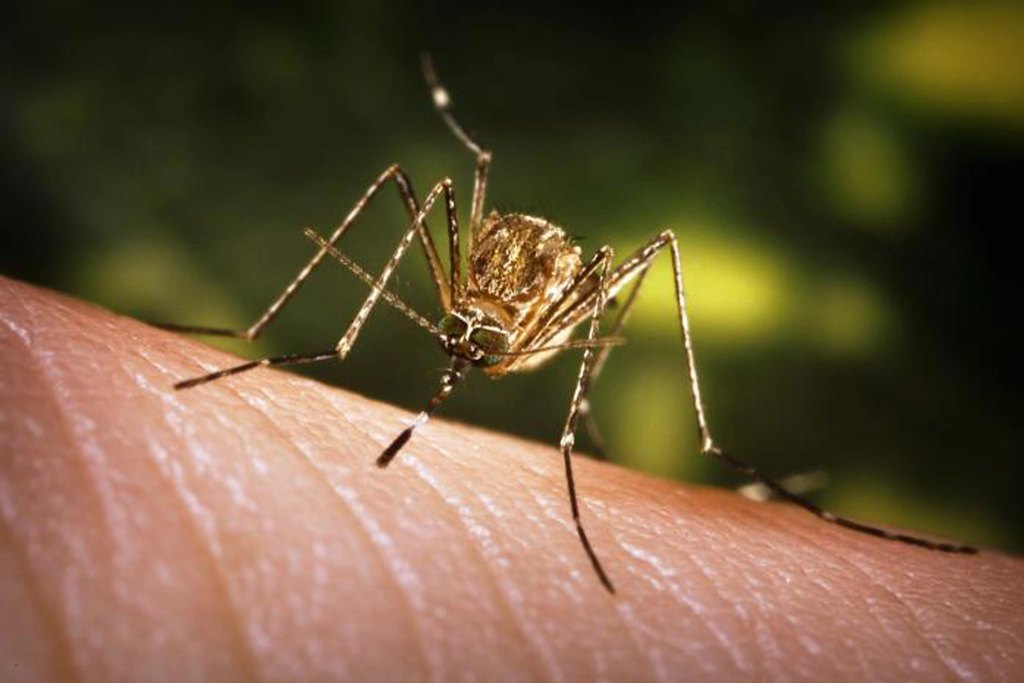
Nepal has reported 131 cases of Japanese encephalitis this year, with 28 fatalities linked to this mosquito-borne illness, according to the latest health report.
The Family Welfare Division of the Ministry of Health and Food Safety has confirmed 1,372 cases of acute encephalitis syndrome nationwide.
The confirmed cases of Japanese encephalitis stand at 131. Infections have been noted in 90 local levels across 37 districts. The report indicates that approximately 87% of those infected were unvaccinated.
Health authorities have observed that many affected individuals live near paddy fields or pig farms and are engaged in agricultural activities, which may increase their exposure to the mosquitoes that transmit the virus.
Vaccination Campaign in Progress
The government is intensifying its Japanese encephalitis vaccination campaign in areas with reported infections.
This initiative is currently active in all local levels of Jhapa district, as well as Ghodaghodi Municipality, Dhangadhi Sub-metropolitan City, and Lamkichuha Municipality in Kailali.
The campaign targets individuals aged 30 and older, along with health workers.
So far, 111,790 people in Kailali and 346,777 in Jhapa have received the JE vaccine, according to health authorities.
As part of Nepal’s routine immunization program, children receive a single dose of the Japanese encephalitis vaccine at 12 months. Those who miss this dose can receive it up to the age of five.
Health experts recommend combining vaccination with measures to prevent mosquito bites. Important preventive actions include using mosquito nets, wearing protective clothing, and minimizing exposure to mosquitoes.
With infections reported in several districts, health authorities are maintaining surveillance and vaccination efforts to lower the risk of additional Japanese encephalitis transmission.